
HERITAGE TOURISM SITES IN NIGERIA
Sukur Cultural Landscape, Adamawa State
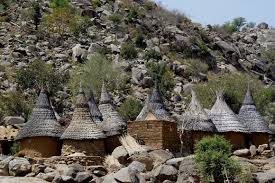
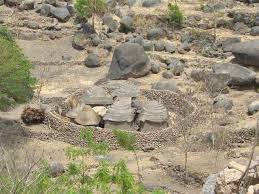
It is the first of the two heritages in Nigeria that was added to UNESCO’s World Heritage site in 1999. Located on top of the highest plains on the Mandara Mountains in a place called Magageli in Adamawa State, it features a palace, ritual featured terraced fields decorated with dry stones and granites, which make the village setting so natural and exceptional.
Osun-Osogbo Sacred Grove, Osun State
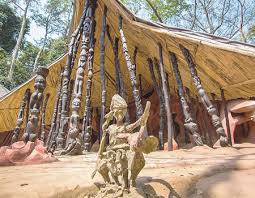
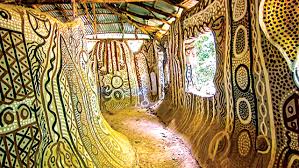
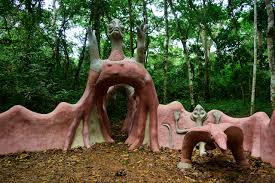
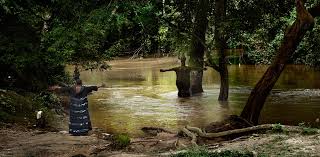
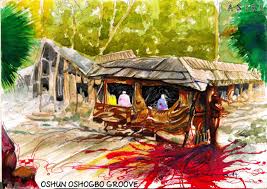
This sacred forest is situated along the banks of the Osun River, on the outskirts of the capital city of Osogbo, which is regarded as the home of the goddess of fertility – Osun. There are shrines, art works, sculptures and sanctuaries that dot the river in honour of the goddess and other local deities. It is considered as the last of the Yoruba’s sacred forests that is still standing. In 2005, it was listed by UNESCO as a World Heritage Site. Its yearly festival brings thousands of spectators, tourists and Osun worshippers from around the world. The festival is held around August every with a lot of other tourism activities, shows, exhibitions, concerts, etc. organized during that period.
Oban Hills, Cross River State
Oban Hills is a range of hills located within Cross River National Park and it shares a border with the Korup National Park of Cameroon, established in 1988 as a part of the Cross River National park and is a natural habitat for wildlife and plants of unknown species. It houses over 400 Chimpanzees. It is one of few sites where the Xavier’s Green Bull can be found and some other unusual species such as the Cassin’s Hawk eagle, Bat Hawk, Crested Guinea fowl, among others.
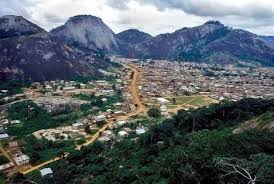
Oke-Idanre Hill,Ondo State
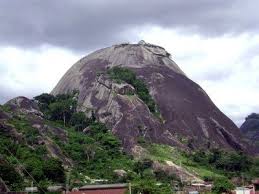
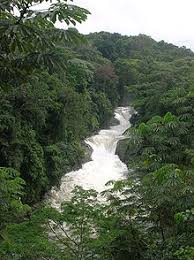
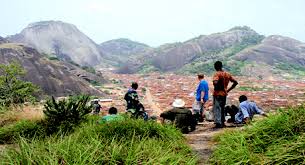
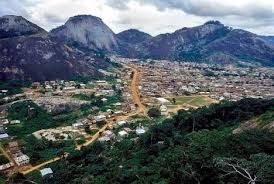
Idanre Hills consists of spectacular valleys with a high plain and the valleys are interspersed with magnificent inselbergs that is about 3,000 feet above the sea level. It was listed in 2007 on the tentative list of UNESCO World Heritage sites. There are attributes such as the old court, Owa’s Palace, Agbooogun foot print, shrines, burial grounds and mounds and the Omi Aopara which is the thunder water. It attracts thousands of visitors all through the year.
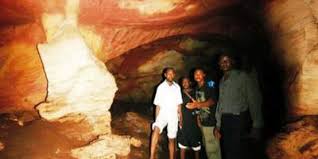
Ogbunike Caves, Anambra State
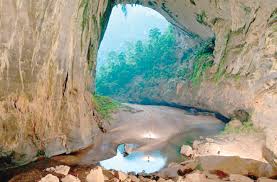
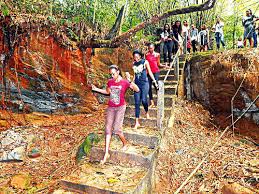
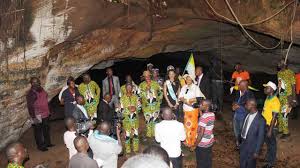
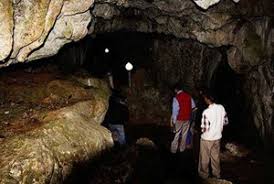
Added to the tentative list of the UNESCO World Heritage Sites in 2007. This cave is a great wonder that was discovered by a hunter called Ukwa. It has spiritual and historical significance. The caves can be descended in a 317 steps. There is a yearly commemoration festival called the Ime Ogbe done in remembrance of the discovery of these caves.
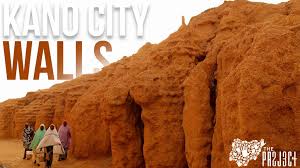
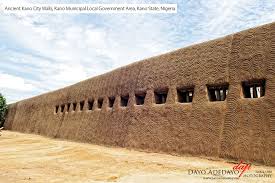
Ancient Kano City Walls, Kano State
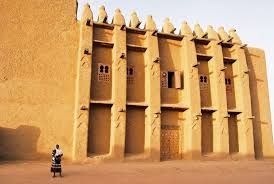
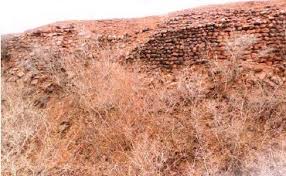
Added to the tentative list of the UNESCO World Heritage Site in 2007. Once regarded as West Africa’s most impressive monument, a 14km radius earth monument that is associated with the state’s historical, cultural and spiritual significance. It features the Emir’s Palace, Kurmi Market and the famous Dala Hills, believed to be the first settlement in ancient city of Kano. The wall is an intriguing fact of Nigerian architects who had designed this wall to define defence, political space, management and security system.
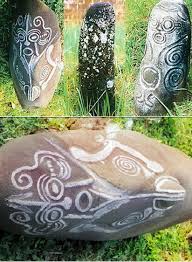
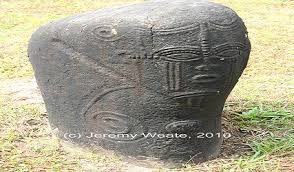
Alok Ikom Monoliths, Cross River State
Added to the tentative list of the UNESCO World Heritage Sites in 2008. It has over 300 carved stones that are upright, grouped in circles, each facing one another and with varied heights. There are texts and images inscribed on the monoliths that cannot be decoded till date, which is believed to be writings from the prehistoric civilization.
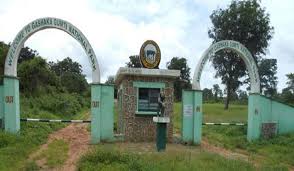
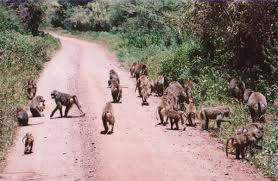
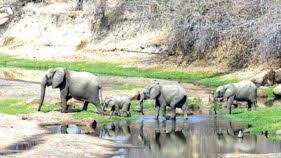
Gashaka-Gumpti National Park, Taraba State
This Park is the country’s most diverse and largest National Park that is situated with the Mountain of Death, Chappal Wadi and Mountain of Wind, Chappal Hendu. It is home to giant forest hogs, chimpanzees, leopard, lion, hippopotamus, buffalo, birds etc.
Surame Cultural Landscape, Sokoto State
Declared an ancient Nigeria’s National Monument in 1964, Added to the tentative list of UNESCO World Heritage Sites in 2007 in the Cultural and Natural category. Surame is an ancient city in Sokoto State, created in the 16th Century by Muhammadu Kanta Sarkin Kebbi and abandoned in the 1700. It is regarded as one of the world’s wonders of the human civilization, ingenuity and creativity. Its wall is made of massive stones and has a Palace of the Hidi; the chief of the village.
Arochukwu Long Juju Slave Route, Abia State
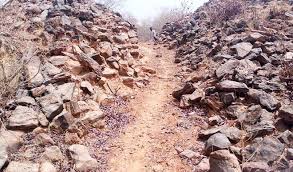
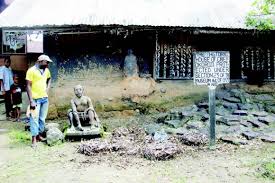
Added to the tentative list of UNESCO World Heritage Sites in 2007. It is the home of the shrine of Ibin Ukpabi with a cult statue of Kamalu-The Ancient Warrior god. It contains an altar, a water fall and a six foot gully that leads people to the cave temple. A famous feature called the Iyi-Eke was an outlet for slaves to be transported to Calabar.
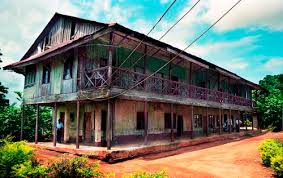
Other sites include Olumo Rock in Abeokuta, Bilikisu Sungbo Eredo in Ogun State, Walls of Benin Kingdom in Edo State, Niger-Delta Mangroves, Ado Awaye suspended lake among many others both tapped and untapped.
 Hospitality And Tourism